The AI narrative is shifting from conversational chatbots to autonomous agents that can transact, allocate capital, and manage compliance without human intervention. In fintech and crypto, this agent-to-agent economy is supported by blockchain-based financial rails and non-custodial intelligence systems. As deepfakes increase identity risk, blockchain authentication is emerging as a core trust layer. Europe is positioning itself as a leader through compliance-native and sovereign AI development, particularly in Paris, London, and Berlin. By 2026, competitive advantage increasingly depends on delegating operational authority to AI systems while maintaining regulatory oversight under frameworks such as the EU AI Act.
Read More »Monthly Archives: January 2026
Europe Ends Crypto “Wild West” Anonymity as CARF and DAC8 Take Effect
European crypto markets entered a new regulatory phase on January 1, 2026, as the OECD’s Crypto-Asset Reporting Framework and the EU’s DAC8 came into force. These rules require crypto exchanges and custodians to report granular transaction data, tax residency, and cross-border activity to authorities. For regulated crypto-asset service providers, the change represents a structural shift rather than a simple tax update. Compliance costs are rising, smaller platforms face pressure, and institutional participation is expected to increase as regulatory clarity improves. The era of practical anonymity in European crypto markets has effectively ended.
Read More »Crypto’s Rise from Curiosity to Core Asset in Seven Years
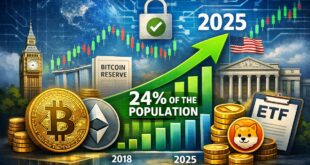
Global cryptocurrency adoption has doubled since 2018, according to the Gemini State of Crypto 2025 Report. Nearly 24% of the population now owns crypto, with strong growth in the United Kingdom and Singapore. A clearer U.S. regulatory environment, including a Strategic Bitcoin Reserve, has improved confidence among investors. Institutional products such as Spot Crypto ETFs have simplified access, while memecoins have emerged as unexpected entry points. Awareness is nearly universal, and digital assets are increasingly seen as inflation hedges rather than speculative tools, reflecting a shift toward market maturity and broader integration in investor portfolios.
Read More »